Scheduling and coordination
Team proposals, venue availability, blackout dates, matchup rules, approvals, changes, and public schedule delivery.
We build focused sports applications for the operational work generic platforms miss, from season scheduling and team coordination to registration, officials, approvals, and reporting.

Custom software is useful when the workflow creates strategic value and cannot be represented reliably inside a configurable product.
Team proposals, venue availability, blackout dates, matchup rules, approvals, changes, and public schedule delivery.
Participant intake, association administration, eligibility data, payment records, reporting, and season rollover.
Availability, assignments, clinic information, evaluations, configurable scoring, feedback, and historical records.
Role-based access for administrators, coordinators, coaches, team managers, officials, and approved partners.
APIs, calendar feeds, imports, exports, notifications, payments, and connections to existing public platforms.
Operational dashboards, audit trails, documentation, deployment, backups, monitoring, and agreed support ownership.
Observe the current process, users, rules, data, exceptions, and seasonal deadlines.
Define roles, permissions, states, decisions, records, integrations, and failure behavior.
Test the highest-risk journeys with the people who perform the work.
Develop the focused release with automated tests, review environments, and migration controls.
Rehearse real scenarios, train users, monitor production, and prioritize the next verified need.
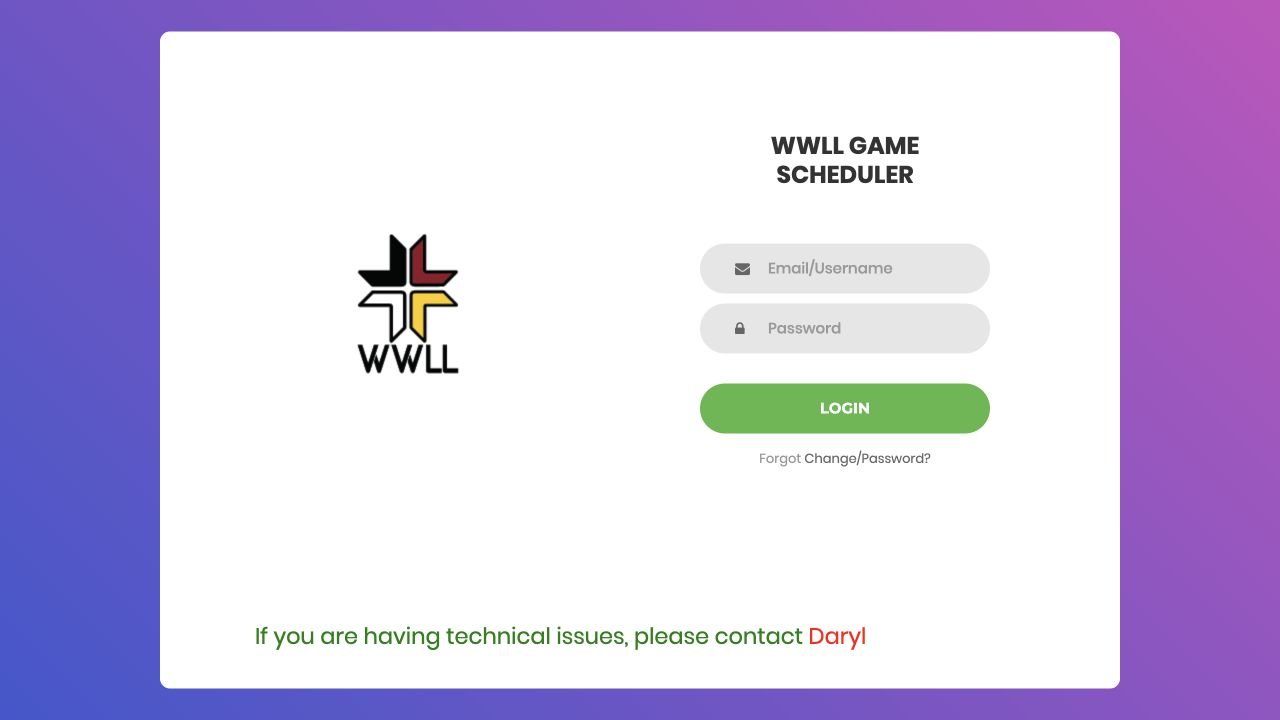
Team proposals, conflict checks, coordinator review, confirmations, schedule exports, and seasonal operations.
Read the scheduling case study →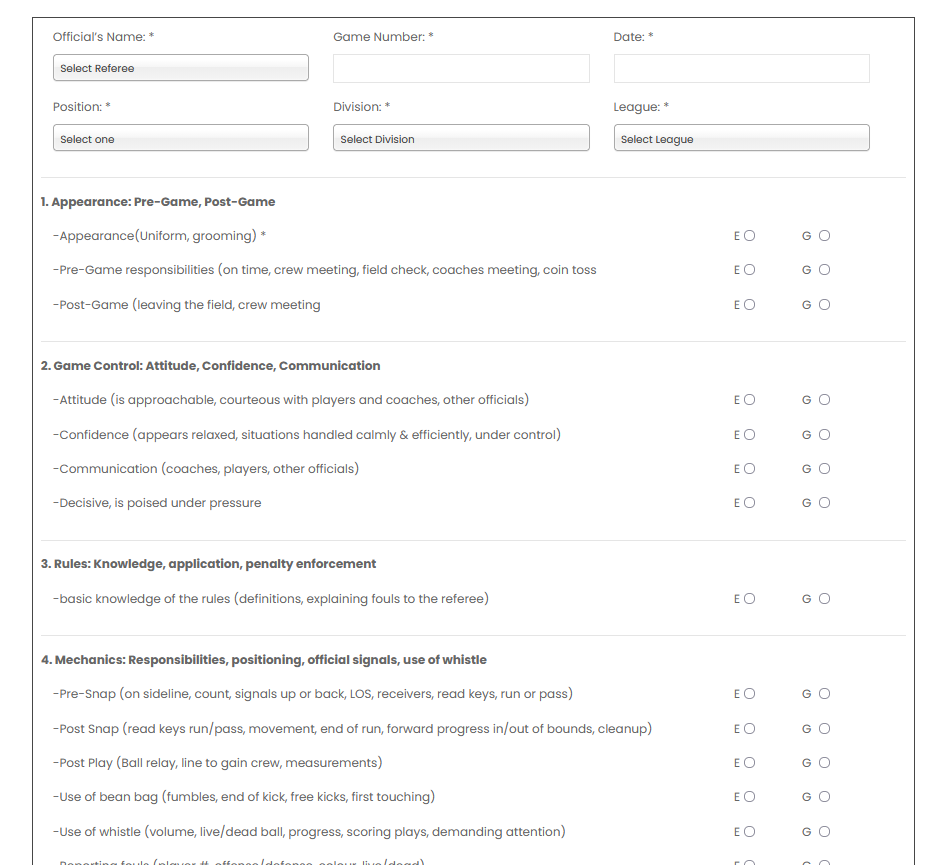
Mobile assessments, configurable criteria, role-based access, feedback sharing, and evaluation archives.
Read the evaluation case study →
A province-wide registration platform serving 35 member associations with payment and season-history workflows.
Read the registration case study →Move from public websites and custom applications to scheduling, university athletics, planning guides, and reviewable work across registration, officiating, and league operations.
Projects can include scheduling systems, registration and payment workflows, coordinator portals, officials tools, evaluation systems, standings workflows, tournament operations, and reporting dashboards. The application is scoped around a verified operational problem.
A responsive web application is often the most maintainable first release for role-based operational work. Native mobile development becomes appropriate when device capabilities, offline behavior, notifications, or app-store distribution are essential requirements.
Yes, after a technical review. We assess the codebase, data model, infrastructure, security, unresolved defects, deployment process, and product priorities before recommending stabilization, extension, or replacement.
Code ownership, hosting, third-party licensing, data access, documentation, and ongoing support are defined in the project agreement before development begins.
Share the users, rules, current tools, edge cases, and the seasonal deadline that shapes the first release.