Public athletics website
Publish schedules, standings, results, rankings, news, resources, team information, and tournament updates through a maintainable experience.
Public websites and focused software for athletic departments, collegiate conferences, team coordinators, officials, and the audiences following every season.
University athletics systems should reflect where each record begins, who approves it, and how it reaches teams, staff, officials, participants, and the public.
Publish schedules, standings, results, rankings, news, resources, team information, and tournament updates through a maintainable experience.
Model divisions, travel, venue availability, blackout dates, match requirements, coordinator proposals, and approval exceptions.
Collect participant and team information through the right local or central workflows, with clear ownership and reporting.
Support assignments, clinic resources, availability, evaluations, feedback, and historical records where those workflows belong together.
Define how schedules, scores, rosters, standings, calendars, notifications, and existing campus systems exchange information.
Test roles, imports, edge cases, public publishing, recovery, training, and support before the busiest operational window.
For leagues, conferences, governing bodies, clubs, and university athletics teams that need a fast public website connected to current competition information.
Explore sports websites →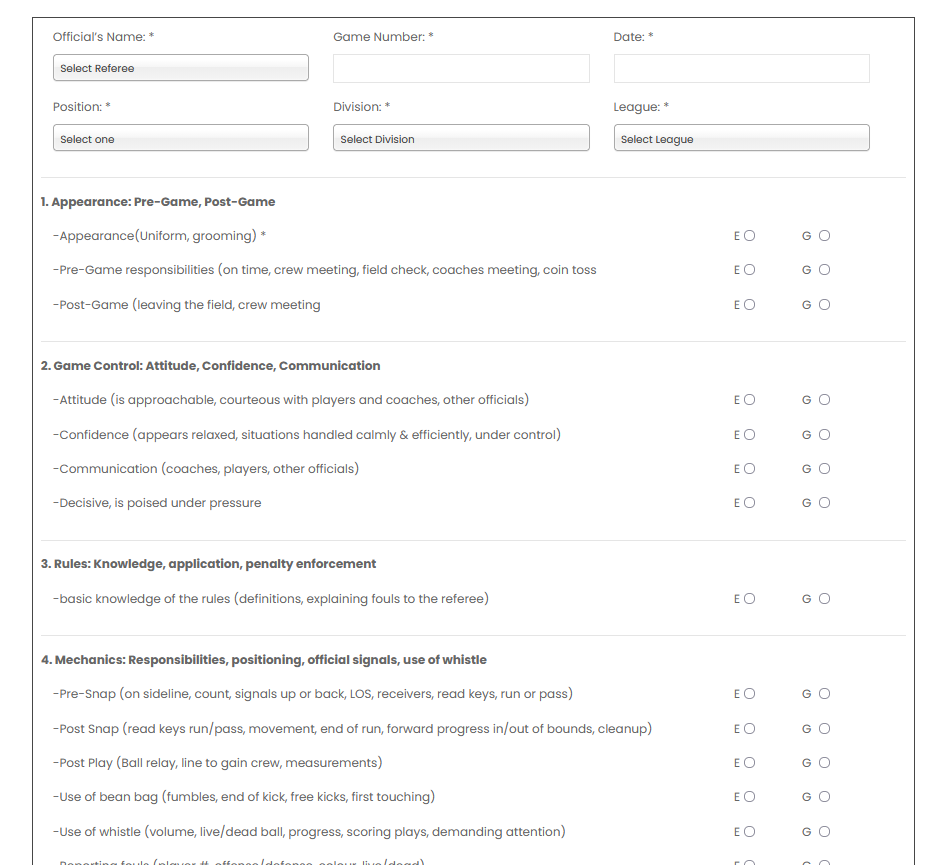
For sports organizations and university athletics teams that have outgrown spreadsheets or rigid products and need a focused operational application.
Explore sports applications →
For collegiate conferences, governing bodies, tournament directors, and leagues with rules too specific for generic scheduling software.
Explore sports scheduling →
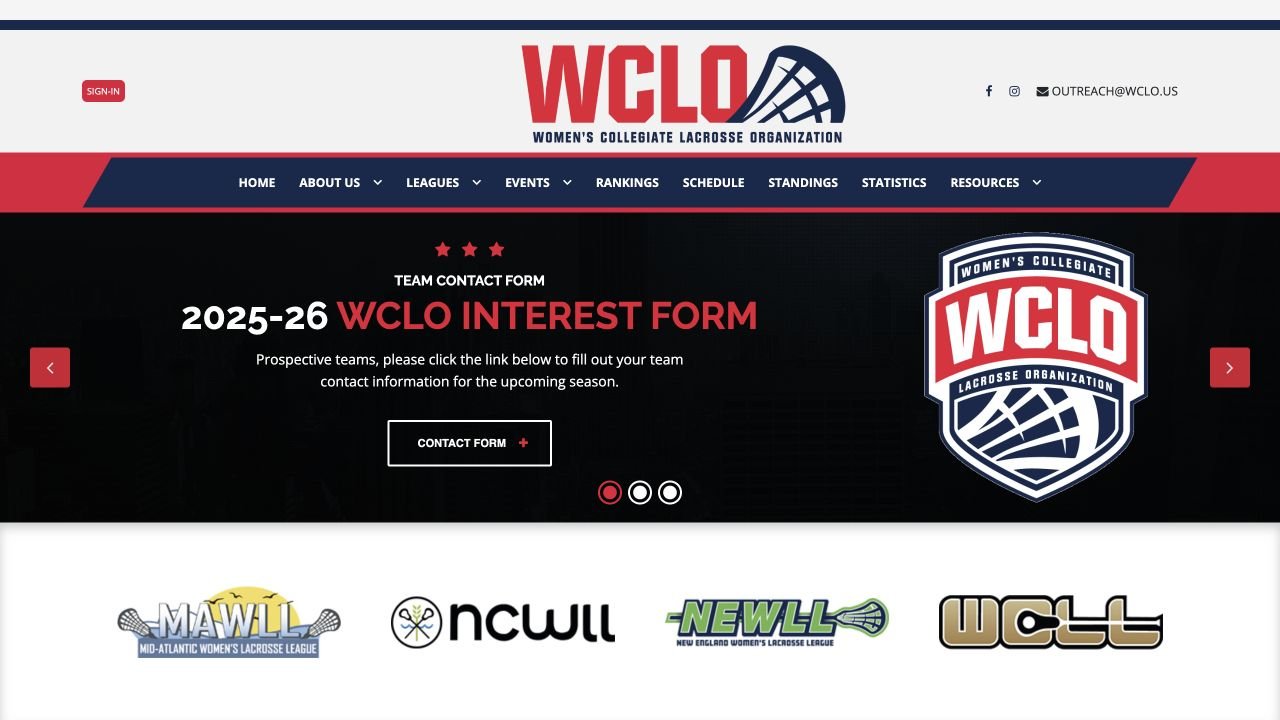
A national collegiate lacrosse platform for schedules, standings, rankings, news, resources, and tournament information.
Read the WCLO case study →
A scheduling workflow for team proposals, conflict checks, coordinator review, confirmations, and master schedule export.
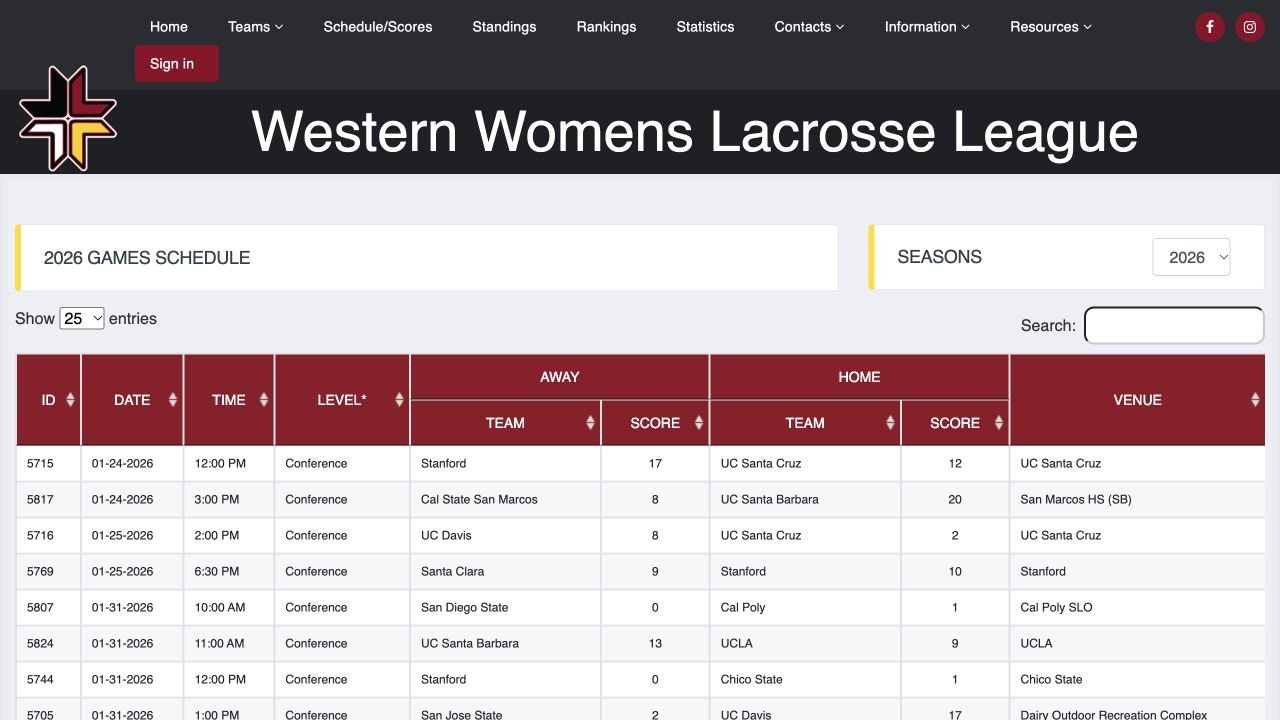
Read the WWLL case study →
A mobile assessment application with configurable criteria, permissions, feedback, and evaluation history.
Read the evaluation case study →Move from public websites and custom applications to scheduling, university athletics, planning guides, and reviewable work across registration, officiating, and league operations.
Yes. We first review the current platform, contracts, data access, APIs, publishing responsibilities, and gaps. The useful scope may be a focused integration or operational application rather than replacing the entire environment.
Potentially. Shared roles, data, calendars, and reporting can be centralized while sport-specific rules remain configurable. Discovery confirms which workflows genuinely share a model and which need separation.
We begin with the required user journeys, device needs, offline behavior, notifications, and distribution model. A responsive web application is often the most maintainable first release, while native mobile development is considered when the requirements justify it.
Yes. Public delivery can use a shared application, APIs, calendar feeds, exports, or integration with an existing website, depending on the systems already in place.
Share the programs, roles, seasonal workflows, existing systems, and public information that need to work together. We will identify a focused first release and the integrations that need validation.